Couples Counselling Calgary

Relationships can become difficult for many reasons, and couples don’t need to be in crisis before reaching out for support.
Sometimes the same conversations keep ending in the same place. One person may feel unheard while the other feels criticized or misunderstood. Conflict may happen more often, or couples may notice more distance between them than there used to be.
Other times, the relationship itself may not be the only source of stress. Parenting, work, family responsibilities, major life changes or individual differences can affect how partners relate to one another.
Couples counselling offers space to slow these patterns down and better understand what is happening between you.
I work with couples navigating communication difficulties, recurring conflict, changes in connection, parenting pressures and other relationship challenges. My role isn’t to decide who is right or take one person’s side. It is to make room for both experiences and understand the relationship between them.
In-person couples counselling is available in Calgary. Virtual counselling is available throughout Alberta, British Columbia, Saskatchewan and Manitoba.
Understanding the Relationship, Not Choosing Sides
When a relationship is struggling, both people can have very different versions of what is happening.
One partner may feel they are trying to resolve an issue while the other feels pressured. One may withdraw because a conversation feels overwhelming while the other experiences the distance as not caring. Both people can leave the same interaction feeling hurt or misunderstood.
Couples counselling isn’t about deciding whose version is correct.
It is an opportunity to look more closely at what happens between you, including the patterns which may have developed over time and the meaning each person gives to those interactions.
Understanding each other’s perspective doesn’t require agreeing about everything. It can begin with having enough space for both experiences to be heard.
Experience That Extends Beyond the Counselling Room
Relationships don’t exist in isolation. Work, parenting, family responsibilities, stress, individual differences and major life changes can all affect how two people experience each other.
My background includes a Master of Arts in Counselling Psychology and a Master of Education, along with 16 years working in education before becoming a counsellor. Across those roles, much of my work has involved understanding people within the relationships and systems around them rather than looking at one person or one concern in isolation.
In couples counselling, I bring that same curiosity to the relationship. Rather than beginning with the assumption that one person is right or one person needs to change, I’m interested in understanding what is happening between you, how each of you experiences the relationship and the patterns you may find yourselves returning to.
ADHD and neurodivergence can also be part of this picture for some couples. When they are relevant, they can be explored as one part of the relationship without becoming an explanation for every difficulty between partners.
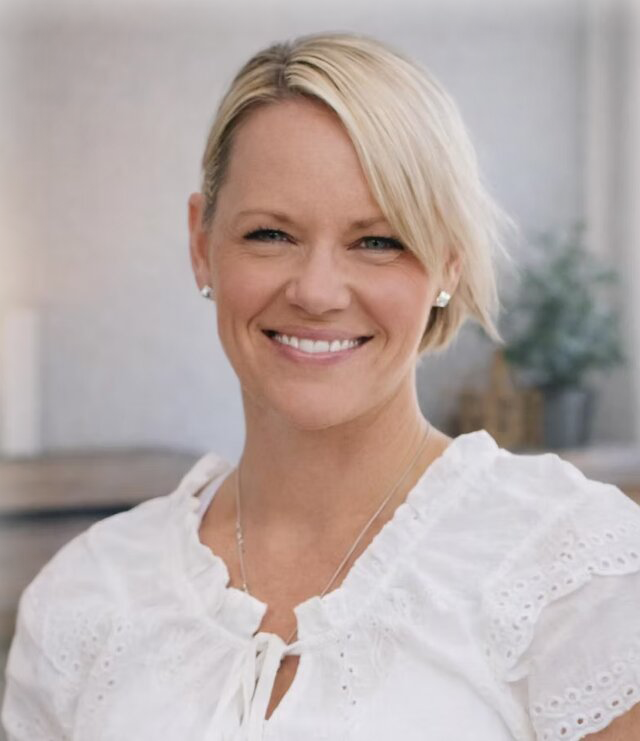
Michelle McMillan, MACP, CCC
Canadian Certified Counsellor
Master of Arts in Counselling Psychology
Master of Education
When Communication Feels Difficult
Couples often know they need to communicate, but knowing this doesn’t necessarily make difficult conversations easier.
A discussion may start with one issue and quickly become about several others. One person may try to explain more while the other becomes quieter. Tone, timing or old frustrations can begin to matter as much as the original concern.
After enough difficult conversations, couples may start anticipating how the other person will respond before the conversation has even begun.
Counselling can create space to slow these interactions down and look at what each person is trying to communicate underneath the frustration.
The goal isn’t to communicate perfectly or avoid every disagreement. It is to better understand what tends to happen when communication becomes difficult and what each partner experiences in those moments.


Conflict & Recurring Patterns
Some disagreements are about the issue in front of you. Others begin to feel familiar.
The topic may change, but the argument follows a similar path. The same frustrations return. Attempts to resolve things may leave one or both people feeling even less understood.
These patterns can develop gradually and may be difficult to see while you’re in the middle of them.
Couples counselling provides an opportunity to look beyond the latest disagreement and become more curious about the pattern around it.
This doesn’t mean every conflict has a simple explanation or one person needs to respond differently. Often, both partners are reacting to what they believe is happening between them.
Making those patterns more visible can create a different kind of conversation about the relationship.
Connection, Intimacy & Changing Relationships
Relationships change over time.
Partners may notice changes in emotional closeness, affection, intimacy or the amount of time they spend feeling connected. Sometimes there is a clear reason. Other times, the distance seems to have developed gradually.
Different expectations around closeness, sex, affection or time together can also become difficult to talk about, especially when either person feels rejected, pressured or misunderstood.
Couples counselling can provide a place to talk about these parts of the relationship without assuming there is one correct way a couple should feel or connect.
For some couples, the conversation is about wanting more closeness. For others, it may be about understanding how the relationship has changed and what each person wants from it now.


Life Changes, Parenting & Outside Pressures
Relationships are affected by what is happening outside them too.
Parenting, work demands, financial pressure, blended-family dynamics, caregiving responsibilities and major life transitions can leave couples with less time or energy for each other.
Partners may also respond to stress differently. One person may want to talk while the other needs quiet or space. What feels supportive to one person may not feel supportive to the other.
ADHD or other neurodivergent experiences can sometimes be part of these differences as well. They may influence organization, attention, communication or how everyday responsibilities are experienced, but they don’t explain every difficulty within a relationship.
Counselling can make room for the larger context around the relationship rather than treating every disagreement as a problem between two people.
In-Person and Virtual Counselling
I offer both in-person and virtual couples counselling depending on what works best for you and your circumstances.

In-person counselling: Calgary

Virtual counselling: Alberta, British Columbia, Saskatchewan and Manitoba
For virtual appointments, couples may attend together from the same location or join from separate locations when needed.
Frequently Asked Questions
No. Couples may reach out during a difficult period, but counselling isn't limited to relationships in crisis. Some couples want space to talk about recurring concerns, changing relationship dynamics or something which has become difficult to discuss on their own.
My role isn't to decide who is right or wrong. Both partners can experience the same relationship very differently. Couples counselling creates space to understand those perspectives and what happens between you.
Couples may come to counselling with concerns involving communication, recurring conflict, emotional distance, intimacy, parenting pressures, trust, changing relationship needs or major life transitions. You don't need to have one clearly defined issue before reaching out.
Yes. I have extensive experience with ADHD and neurodivergence. When these experiences are relevant to a relationship, they can be part of the conversation without becoming the explanation for everything happening between partners.
For more information, visit the ADHD Counselling & Support page.
Yes. Couples may attend a virtual appointment together from the same location or join from separate locations when needed.
Yes. I offer in-person couples counselling appointments in Calgary.
I offer virtual counselling throughout Alberta, British Columbia, Saskatchewan and Manitoba.
Wondering If We Might Be a Good Fit?
Every relationship is different, and finding the right counsellor is personal.
I offer a free 15-minute consultation where we can talk briefly about what’s bringing you to counselling. You can ask questions and we can determine whether working together feels like the right next step.
Michelle McMillan
CCC, MACP
Therapy & Wellness

Virtual. Accessible. Confidential.
Virtual and in-person counselling for adults, couples, children, teens and families. Serving Calgary and clients across Alberta, British Columbia, Saskatchewan and Manitoba.